

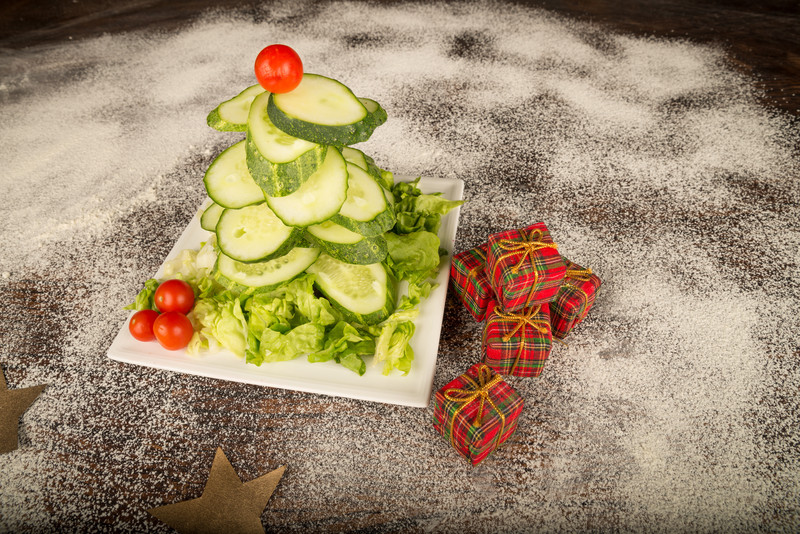
 The holidays expose everyone to delicious, tasty holiday dishes and desserts, but often they are very unhealthy treats that are high in fat, sugar and sodium. Not only are these types of foods unhealthy for everyone, but, consumed in large quantities, they can potentially jeopardize the long term health of individuals with heart problems or those at high risk for developing them. Yet, the holidays are a special time of year and as long as any splurges are limited in amount and duration, there are still ways to enjoy traditional holiday foods.
One important thing to do is always make heart healthy choices when you have control over the situation. When you are at home, make sure your meals are heart healthy. If you are the person planning and cooking meals, you will have a lot of control over this a lot of the time. If it is a spouse, other family member or homecare provider that does most of the food preparation, it is important that you let them know your needs so they can help you keep to a heart healthy diet as much as possible. By keeping your meals at home healthy, even if you are temped while out, the majority of the time you will be eating well.
Homecare Expert Tips for a Heart Healthier Holiday Meal
When preparing a holiday meal that will include a senior under homecare or another individual with heart health considerations, homecare experts recommend the following:
- Serve crackers that are high in fiber with hummus, or raw vegetables with low-fat dressing. Also, unsalted nuts have heart healthy fats without the unhealthy saturated fats and, as a bonus, are very easy to offer. You can present them in a fancy bowl to add to their holiday appeal. Some seniors have trouble chewing nuts, so that is something to consider before serving them.
- Reduce salt in recipes, or cut it out entirely. For many recipes, adding flavor by using pepper, garlic, onions, vinegars, herbs or other spices in lieu of salt can enhance the recipe without anyone missing the extra salt.
- Use lean meats. Choose cuts of meat that use the word round, chuck or loin which indicate leaner cuts. Avoid “prime” meats as this indicates that they are high in fat. Also consider mixing half ground turkey or ground chicken breast into ground sirloin in lieu of pure ground beef. Soy crumbles can also be used in place of meat.
- Make mashed potatoes with non-fat evaporated milk, roasted garlic or garlic powder, and low-sodium chicken broth to add flavor without lots of fat.
- Modify your stuffing recipe to incorporate whole wheat bread crumbs, dried fruits like raisins or apricots and increase the amount of vegetables like onions and celery. Adding flavor in these ways can allow you to eliminate meat and use less butter, which will reduce the saturated fat in the stuffing. Using water in lieu of large amounts of broth to reduce sodium can still result in getting the perfect consistency.
- Make your own gravy. Skim the fat off meat dripping or use low sodium broth, skim milk and flour to make a healthier gravy.
- Make your own desserts. Prepackaged desserts are often high in trans fats. A healthier dessert might be a low fat oatmeal topping on a fruit crisp. For quick breads or cakes, reduce the amount of oil and butter used and replace them with mashed banana or unsweetened applesauce.
- Try hot spiced apple cider or tea instead of full fat eggnog. If you decide to buy eggnog, choose a low fat version to decrease calories and fat. Or, for a special treat, mix a little low fat eggnog into your coffee instead of milk.
If your primary concern is weight loss and you have been actively trying to lose weight but are concerned that the holidays will derail any progress you have made, you should consider giving yourself a bit of a break. Instead of trying to continue your weight loss through the holidays, you might want to make your goal over the holidays not to gain back any weight you have already lost. If you have lost weight, and after you have one cookie believe it’s all over and keep indulging all season long, you are likely to be disappointed in yourself come January. However, if you have one cookie and think, “Well that was a nice treat” and don’t let yourself keep indulging, you are more likely to survive the holidays without too much damage. Don’t get discouraged by any times you give in to temptation. If you do indulge, you must mentally recommit to eating healthy. It is easy to let occasional indulgences become a slippery slope to completely unhealthy eating, so you have to make sure that your have a good, strong mindset not to allow that to happen.
If you do decide to enjoy some holiday treats, another important thing to do is keep active. This will help counteract the extra calories you may be consuming. Although it is often difficult to manage at the holidays, try to fit in some physical activity. Even seniors under homecare can keep up with walks with the assistance of their homecare aide. And again, if you miss a walk or a work out or two during the holidays, don’t let that discourage you. Fit in as much physical activity as you can over the holidays and recommit to getting back on track early in the New Year.

